
All Generations
The role of the generations unfolds in the civic spaces and is elucidated by the political events that shape the storyline and are identified as important places by the speakers. These significant political events are for the second generation are:
First Generation
The role of the generations unfolds in the civic spaces and is elucidated by the political events that shape the storyline and are identified as important places by the speakers. These significant political events are for the second generation are:
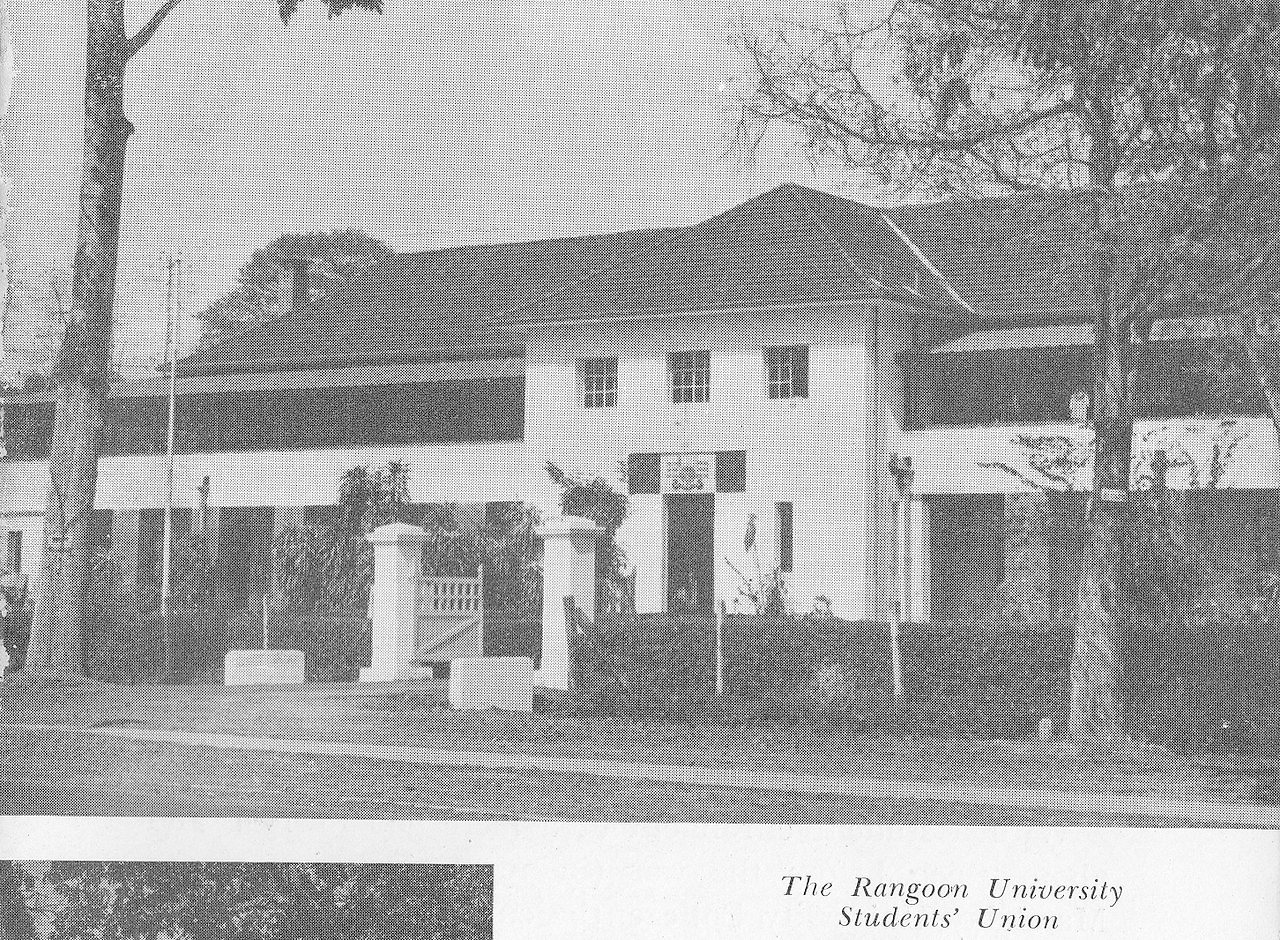
Of small scale but even greater embodiment of political changes next to the university is the historic Rangoon University Student Union building RUSU [58]. Funded by donations of a wealthy Burmese businessman called Dr. U Nyo, the building was finished in summer of 1931. This establishment of the RUSU allowed the students to gather and stratify profound events that would change Myanmar’ narrative. Due to its crucial work from the liberation of the colonial rulership, the building has become since the 1920s a symbol of anti-colonial nationalism and anti-fascism.
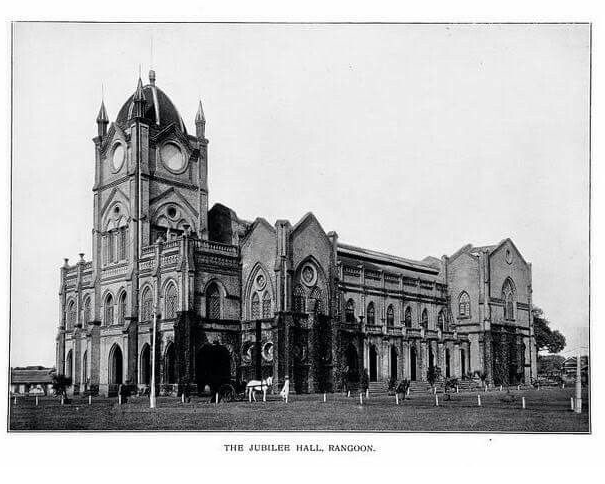
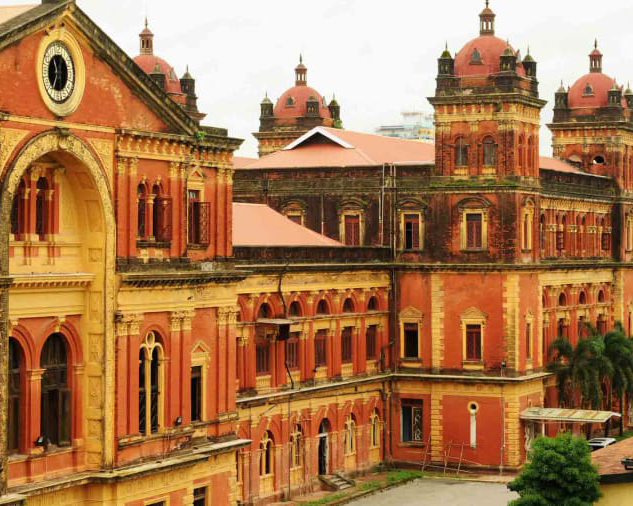
The two-story Jubilee Hall Gothic-style building was built in 1897 to celebrate the 60th-year reign of Queen Victoria ( her Diamond Jubilee). In its early days, it hosted events such as a meeting of British government officials to mark the opening of Yangon Zoo, as well as arts-and-crafts shows, talks, ordination ceremonies, wedding receptions for prominent figures of the town, and charity shows to raise funds to help Britain fight World War I. It was a gathering place for the powerful, educated, and wealthy elite. (Yan Aung, 2020) Just before the Independence in 1947, the fascist People’s Freedom League, led by Myanmar Independence hero General Aung San, drafted the country’s first constitution at the hall and read the 14 points of the Pinon Agreement. The same year, when General Aung San was assassinated in the secretariat (today Ministers’ Office), it became his funeral parlour, along with his cabinet ministers, lying in the hall for six months. After the Independence, Myanmar’s first national library and national museum were opened inside the Jubilee Hall. In 1952, the International Peace Congress was held in the hall. The site eventually became the centre of art and music. However, the National Library was moved to the city hall in 1968, and the museum was moved to Pansodan Street. Later, the hall continued to serve as a cultural place, hosting frequent cultural performances by the Culture Ministery and occasional literature talks and art exhibitions, and songs would often fill the surrounding air. The hall survived World War II but could not withstand the plans of the “ Burma Socialist Programme Party”, which detonated the building in 1985 because of its colonial legacy.
Second Generation
The role of the generations unfolds in the civic spaces and is elucidated by the political events that shape the storyline and are identified as important places by the speakers. These significant political events are for the second generation are:

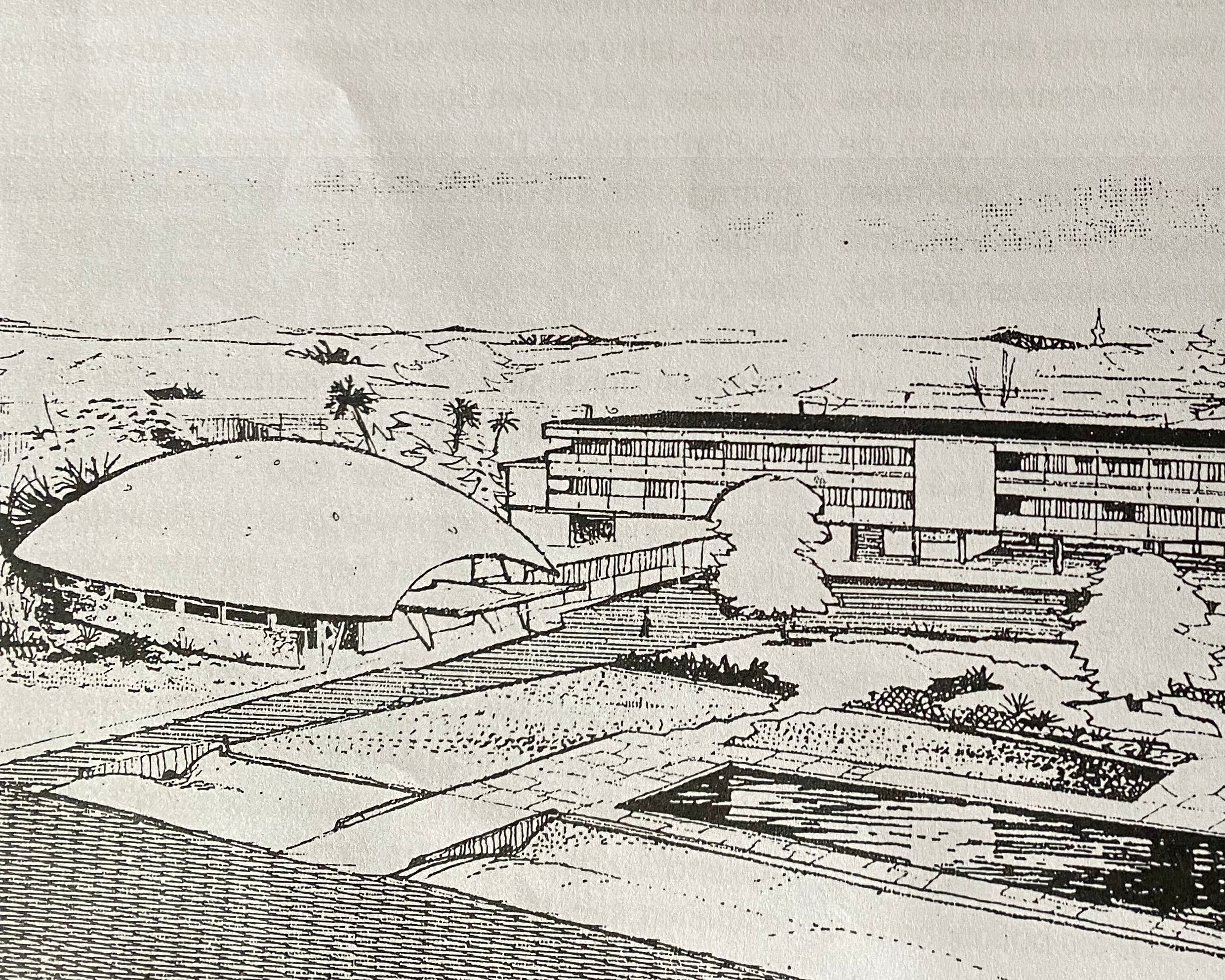
The RIT was the first institution in the entire country to offer architecture studies. It was built in 1958 by Soviet architect Pavel Steniushin with the intention of Myanmar’s government’s interest to build a new image for independent Myanmar and move away from colonial buildings. Later, the Military Regime changed the name to Yangon Technical University. However, more profoundly, this building tells the story of the initial steps to stage the protest of the U-Thant Funeral Crisis, in which the students from the RIT have taken the lead. Initially, the government planned to have the College of Engineering (Pyay Road) built. However, the Department for Architecture was moved here due to political decisions. This university building is considered a building of change on the political and architectural levels. It would represent a complex built in the post-modern era and show the adaptation of European modernism within the cultural context of Myanmar. On the urbanistic site, the objective was to develop the suburban area north of the Yangon University campus, capable of accommodating up to one thousand students. Soon enough, that area involved a vital district and would grow into the “most important centre for the preparation of specialists for many diverse branches of the national economy”, including architecture. The teachers were 90per cent Soviet lecturers. Until today, the tie between Russia and the Military Junta is alive with the downside for the people.
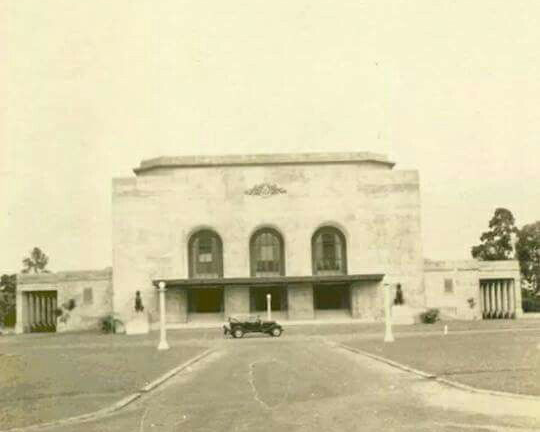
The formerly named Rangoon Engineering College was finished in ca. 1957 and is called today Institute of Medicine- 1. This site is part of a series of universities that were part of the student protests. The foundation for the Institute for Medicine -1 was laid on 3rd March 1954. The university is constituted by different components. The historic Dome Hall needs to be considered as a “civic space” for its social and recreational aspects for the students and the citizens of Yangon. The architectural language and the events that take place within are testimonies to Yangon’s inclusion to the international progressive world. It won the “People’s Design Prize” back in 1960. This Dome is filled with memories ranging from weddings to religious venues, and students festives and sports events like basketball games. It was here that students celebrated their festive. The vault of “The Dome” as the students would call it was made of teak wood and became one of the most impressive and proud components of the campus. One of the most known concerts was held by Benny Goodman around 1956/57 . Later, during the 80s the Mimitary Regime would destroy this building for a banal reason, according to Aung Saw Oo, and sold to the money laundry business of the military’s cronies for 25. OOO kyat, remembers Aung Saw Oo.
Third Generation
The role of the generations unfolds in the civic spaces and is elucidated by the political events that shape the storyline and are identified as important places by the speakers. These significant political events are for the second generation are:
It was established in 1887 as an affiliated college of the University of Calcutta, where the British Colony directed the administration. Later, in 1904, it was renamed College of Government; in 1920, it was renamed Rangoon University. Today, the University is the oldest in Myanmar’s modern education system and the best-known in Myanmar. The University and its associated facilities faced many sanctions for its political legacy, such as the periodical shutdowns after students’ protests. Yangon University’s national and political significance The military authorities ended the University’s autonomy in 1962, placing it under central government control. The language of instruction was changed from English to Burmese. The 1964 University Education Act separated several professional departments from the University, establishing them as separate universities: the University of Medicine, the University of Economics, the University of Technology, and the University of Education. At that point, the University was renamed the Rangoon Arts and Sciences University, concerned only with liberal arts, sciences, and law. Yangon University is one of the most contested spaces in Yangon, one of immeasurable political importance for the city’s history. It is the origin of all political changes of the 20th century and the place of rallies for the protestors. It was the nest of successive generations of the country’s brightest minds to stratify and discuss the liberation of the oppressive reigning elitist, whether the British colonists or the Military Regime. In a series of changes, the names of public institutions that were established and its name were given by the British to symbolize independence. Rangoon University was then 1989 changed to the University of Yangon.
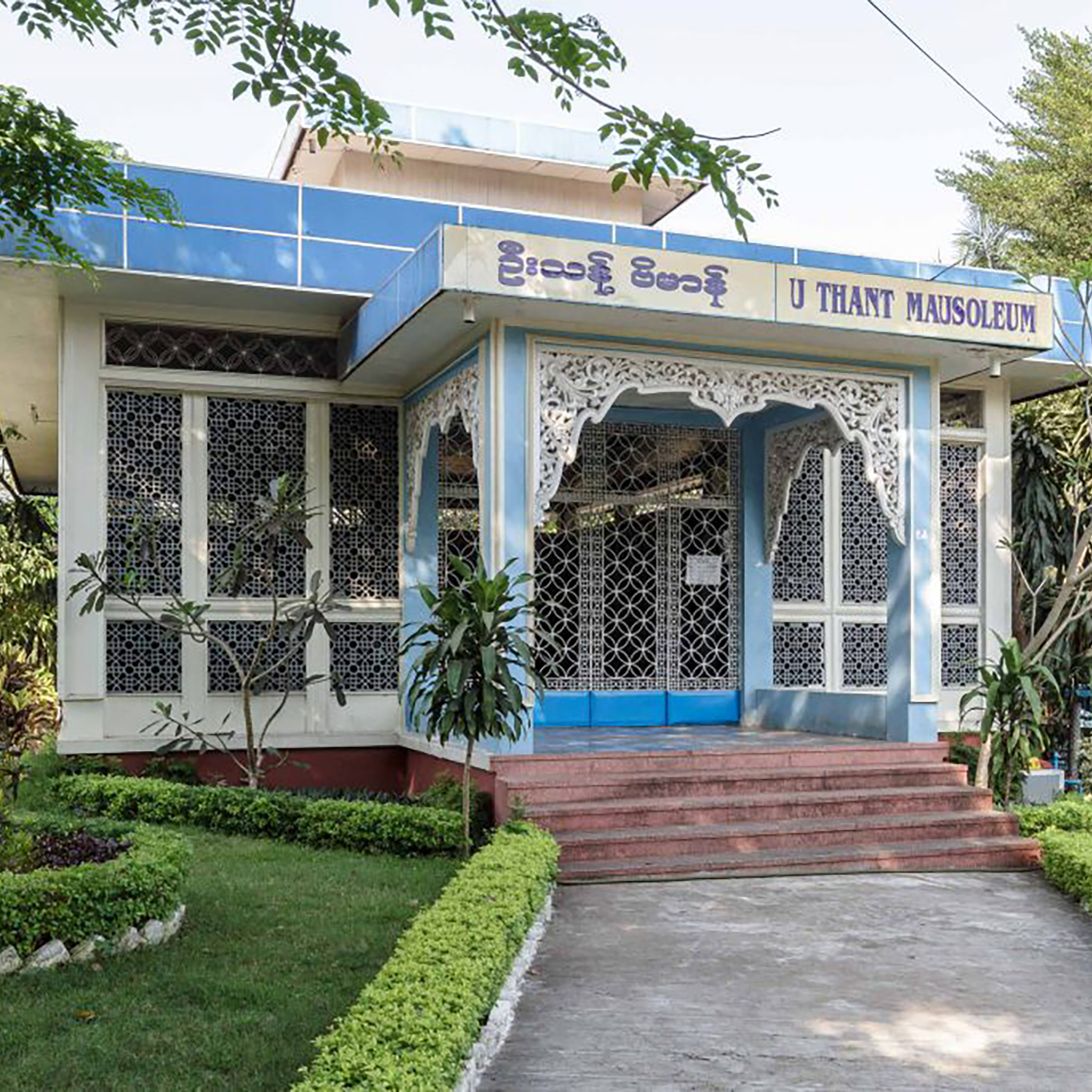
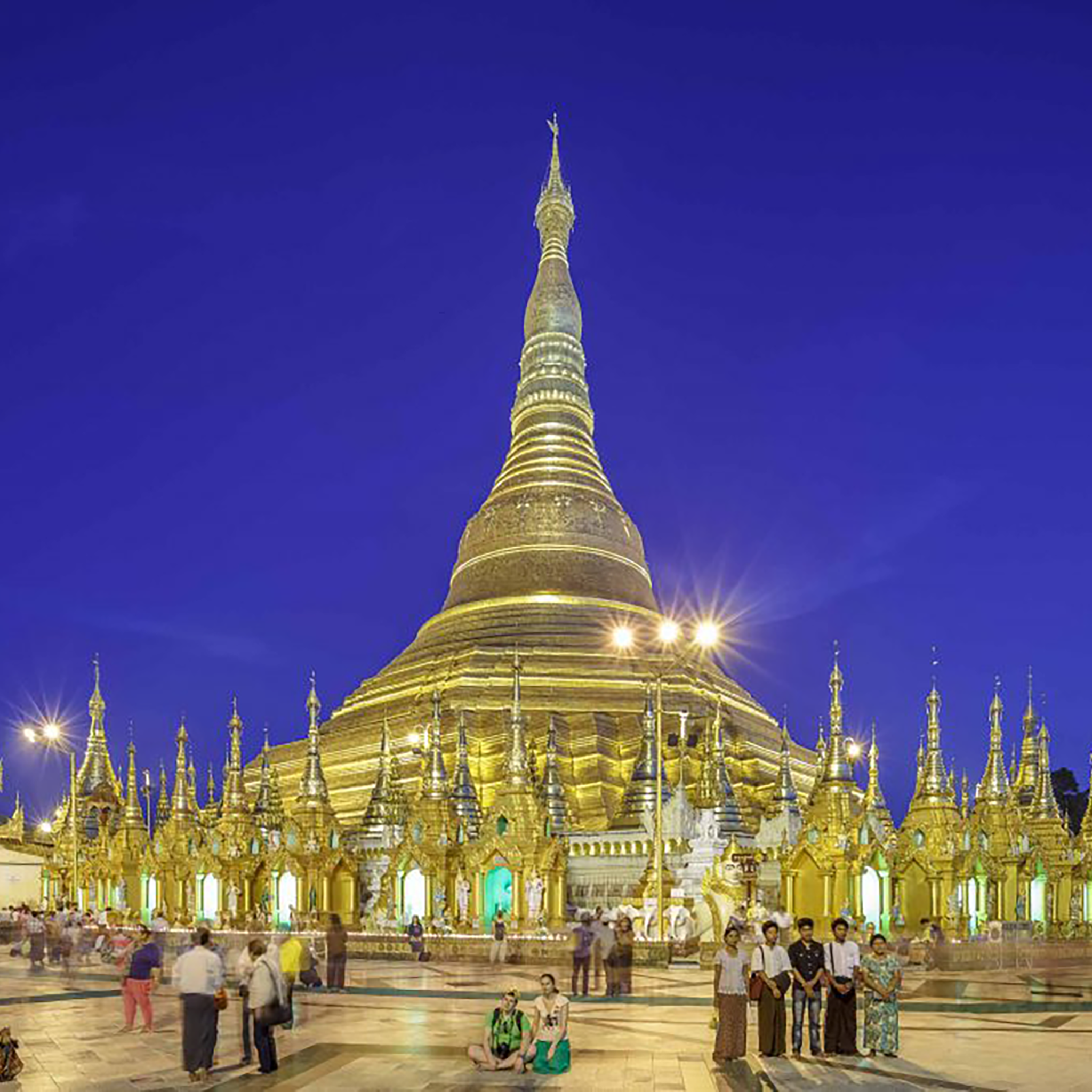
As the final resolution of the U Thant Funeral Crisis, the U Thant Mausoleum was built one year after the crisis, in 1975. Today, it is placed near the Shwedagon Pagoda. The case of U Thant’s funeral depicts the depths and importance of ceremonies for the community and, on the other side, the bias and unjust treatment of the military regime towards statemen. However, the case is evident in the fight for respect for respected statemen by the people.
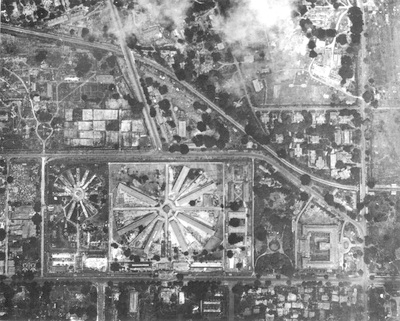
An important building of the political struggle is the historic Rangoon Downtown Prison. In the case of Myanmar, it is essential to know that the Insein prison was the biggest prison to obtain obedience throughout the whole region of southeast Asia. Thirty-four prisons were all over the country by the time Myanmar received Independence. It highlights an important complex because usually, the prisoners have committed a “crime”, which was to liberate the people, a place of paradoxical usage. The Rangoon Downtown Prison and the Yangon Insein Prison were built by the British colony around the same year, 1866. The Insein Prison is in the very north near the city’s border and next to the airport. During the colonial period the biggest prison in all of Myanmar and even Southeast Asia. It was not only for the Burmese prisoners but also for the prisoners of the other countries of the colony. The Rangoon Downtown prison is just for the Burmese prisoners. Both prisoners are based on a hexagonal shape and are two stories high, and the Rangoon Downtown Prison is just a smaller-scale version of the Insein Prison. In both prisons were different cell types, death row, leprosy cells, solitary cells etc. During the Second WW II, the Downtown Prison was used for the prisoners of the war like the Japanese enemies, and it was used as such for five years. In 1945 during the Second WW II, it was used for prisoners of war from different countries. On the roof, one can see the rows for every country. Aung Saw Oo and Salai Kipp were imprisoned during the 1970s and ‘80s and were locked up in the historic Rangoon Downtown prison. They each were sentenced to prison for their involvement and activism during the student protest of the 70s and 80s.
Fifth Generation
The role of the generations unfolds in the civic spaces and is elucidated by the political events that shape the storyline and are identified as important places by the speakers. These significant political events are for the second generation are:
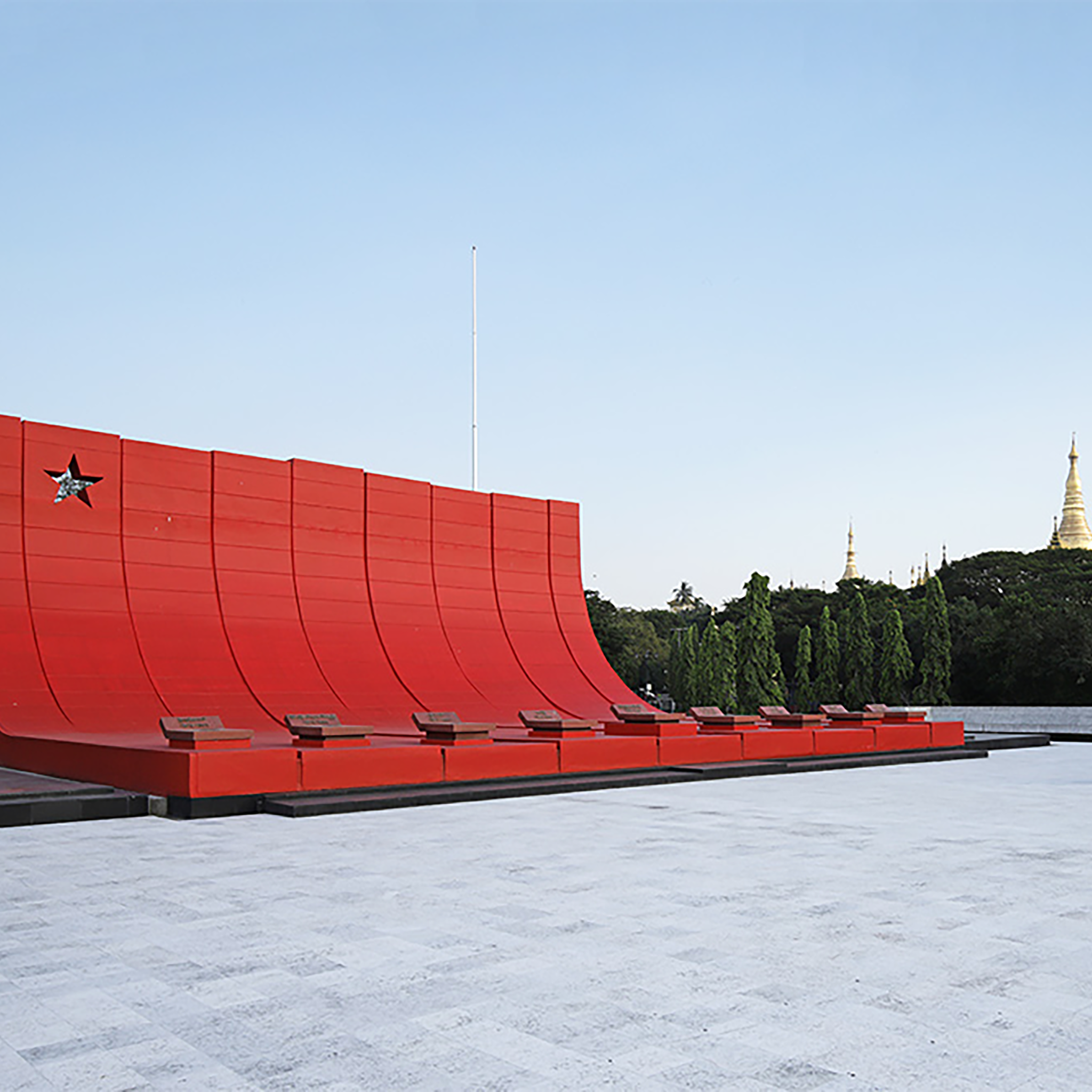
The Marty’s Mausoleum was built in 1982. Bogyoke Aung San Mausoleum was initially designed by the RIT alumni and architect U Sun Oo in 1982. After serval changes made by the military regime, it was finally built-in 1982. After more than 20 years of restricted access, the mausoleum opened to the public again in 2013. This is where the victims of the 19th July 1947 assassination in the Secretariat, including General Aung San, are entombed and commemorated. A previous mausoleum to honour the victims of the 1947 assassination was erected in the early 1960s on a nearby site. In 1982, architects all over Myanmar were invited to submit designs for a new commemorative structure. At the architecture faculty of the Institute of Technology at the time, U Sun Oo submitted a design on behalf of the school. The design’s main idea was to create an informal covered space for ordinary Burmese to pay respect to their heroes while at the same time learning about the recent history of the country. [The Marty’s Mausoleum was built in 1982. Bogyoke Aung San Mausoleum was initially designed by the RIT alumni and architect U Sun Oo in 1982. After serval changes made by the military regime, it was finally built-in 1982. After more than 20 years of restricted access, the mausoleum opened to the public again in 2013. This is where the victims of the 19th July 1947 assassination in the Secretariat, including General Aung San, are entombed and commemorated. A previous mausoleum to honour the victims of the 1947 assassination was erected in the early 1960s on a nearby site. In 1982, architects all over Myanmar were invited to submit designs for a new commemorative structure. At the architecture faculty of the Institute of Technology at the time, U Sun Oo submitted a design on behalf of the school. The design’s main idea was to create an informal covered space for ordinary Burmese to pay respect to their heroes while at the same time learning about the recent history of the country. [The architecture ( noch auszuschreiben)]
Sixth Generation
The role of the generations unfolds in the civic spaces and is elucidated by the political events that shape the storyline and are identified as important places by the speakers. These significant political events are for the second generation are:
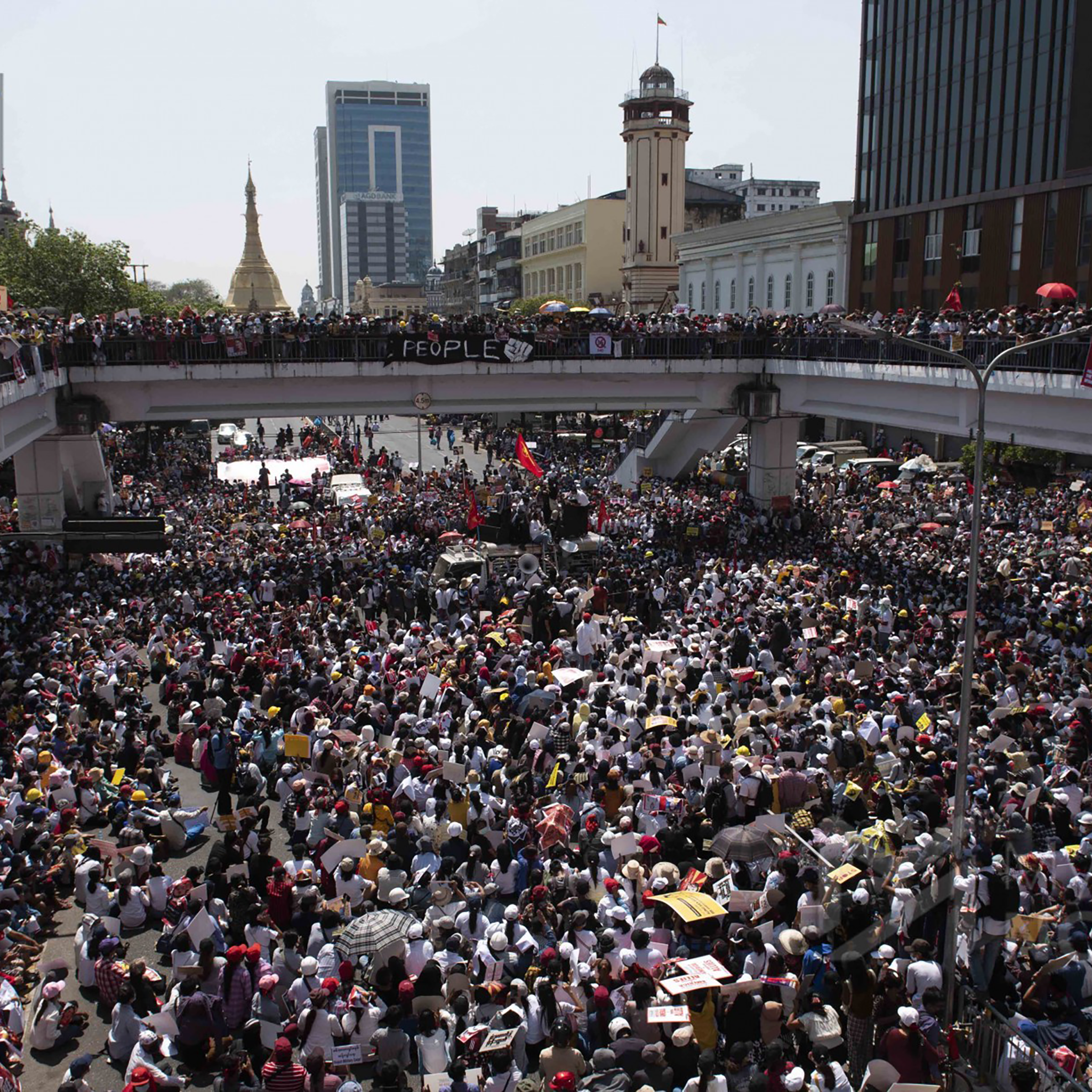
Marching has been one of the most classic format of protest in human history. Therefore the streets scape and o ther circulation ways become the focus of the last site to the cluster of Civic Spaces. Flash Mob demonstrations: We call them operations, show the new ways to the art to protest, and "they can take place on the streets in conjunction, at light." This kind of streetyp has becom eone of the endangering straeets. type for the military government.