Being in place
(a feeling/an experience of space)
The social construction of heritage arises from the experience of "being in place". Being part of a society, part of a social cohesion, can be lived and experienced through different means and acts.
Being in Place is a negotiation process with one another about safeguarding the common ground we as a society build on our values and eventually create an identity and belonging. All this is channelled and coined by intentions of heritage, and understanding heritage is fundamental to human society and what it means to be human.
Place Making
(to include)
The act of Place Making describes the essential practice to appropriate the built environment people live in. The Place Making derives from the precedent definition of "placemaking", which is a versatile approach to planning, designing, and managing the public space and finds its roots in the writings of Jane Jacobs 1960s.
Here, Place Making deploys the precedent definition in its practice but expands the context of the urban raum by applying the practice to specific buildings or sites.
Therefore, Place Making is driven by the local community's assets, inspirations, and potential to argue and discuss heritage value.
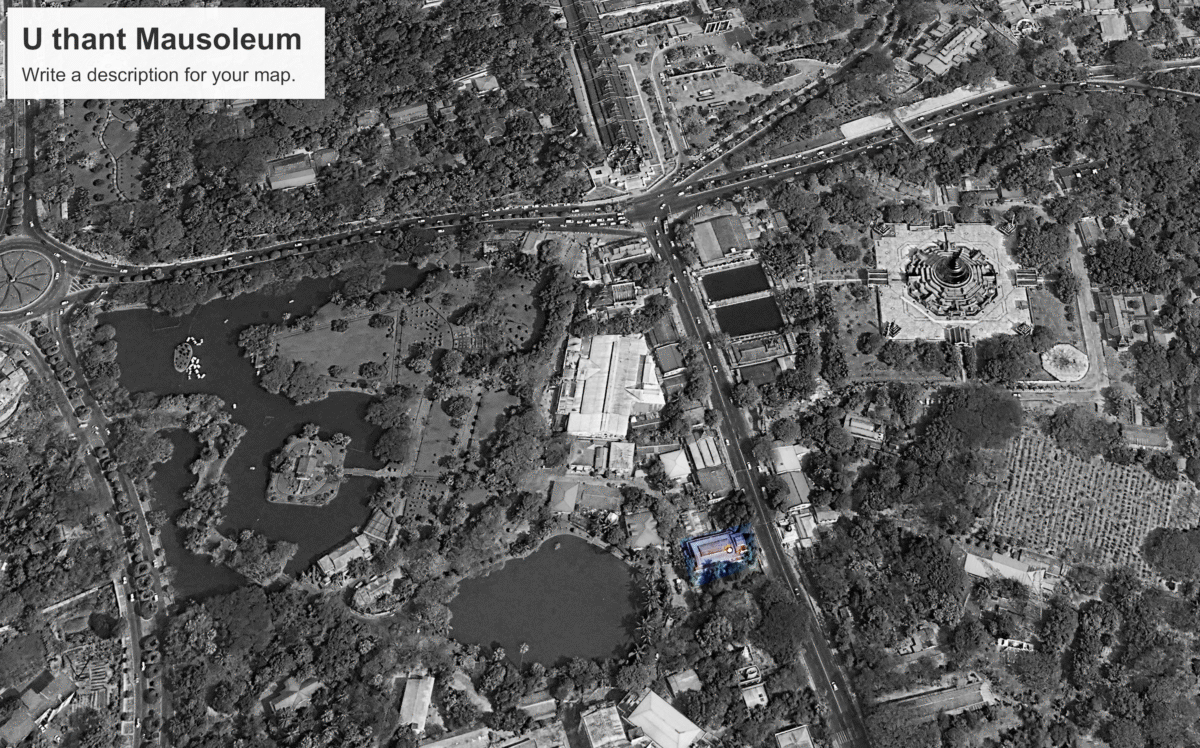
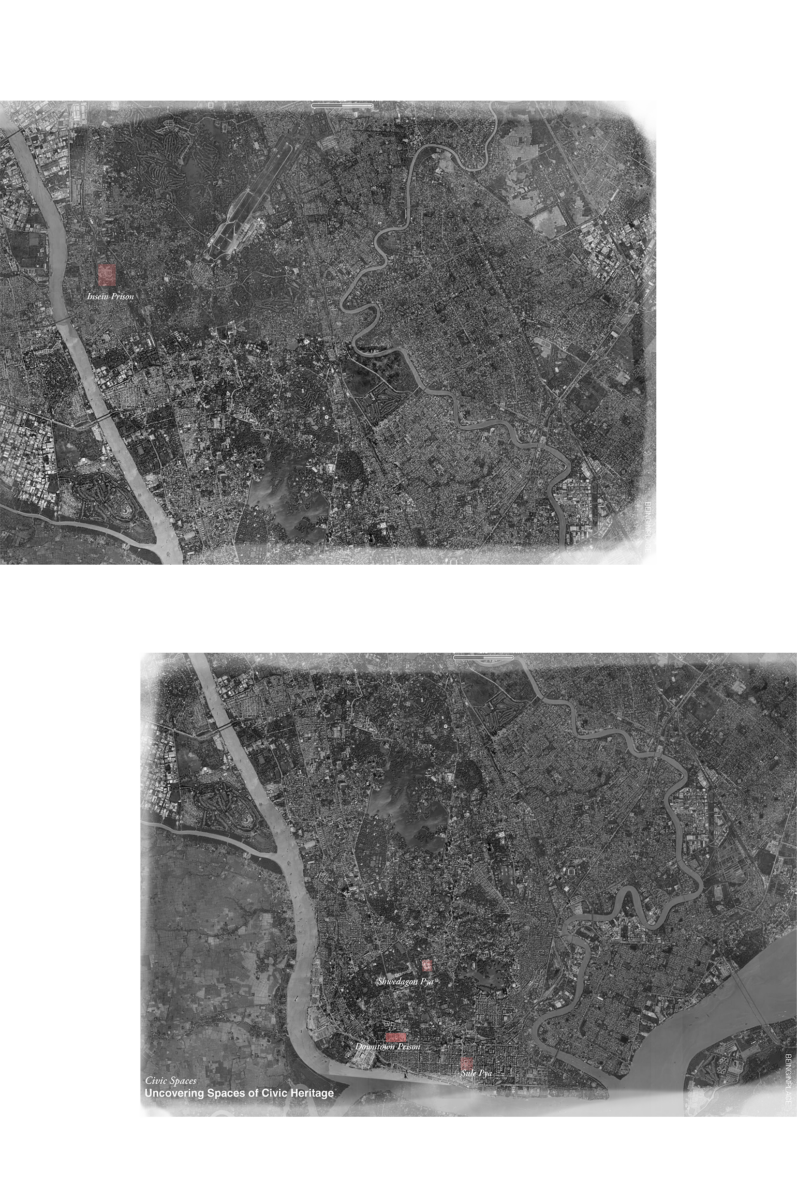
The role of the generations unfolds in the civic spaces and is elucidated by the political events that shape the storyline and are identified as important places by the speakers.
Heritage Making
(a feeling/an experience of space)
Heritage Making describes the process pronouncing a place, an "unofficial" heritage site, to transition to a memorable place. It claims heritage on the site of the previous of Place Making.
To-Gatherness
(a feeling/an experience of space)
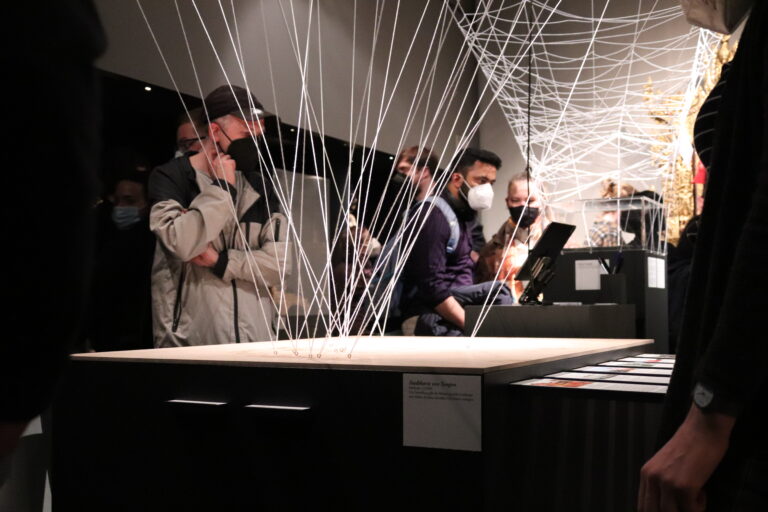
The neologism derives from the verb to gather. In its phonetic, To-Gatherness resembles togetherness. Merging the significance of the verb and the phonetic together, to-Gatherness finds its meaning in gathering information and collecting stories that would contribute to the intangible and tangible subject of heritage.